
Large Language Models (LLMs) are powerful AI tools that can generate text, translate languages, write different kinds of creative content, and answer your questions in an informative way. They’re revolutionizing AI, but generic LLMs can be inconsistent for specific tasks. Imagine an AI that understands your industry or personal preferences! Personalizing LLMs unlocks a new level of AI performance, tailoring their strengths to our exact needs. Why Personalize LLMs? A. Improved Accuracy and Relevance: Generic LLMs, though powerful, often give inconsistent results for specific tasks because they’re not tailored to specialized areas. Personalizing LLMs makes them more accurate and relevant by fine-tuning them for specific uses or industries. For example, a personalized LLM for medical purposes can better understand and use medical terms, providing more precise diagnoses and recommendations. This specialization improves the model’s accuracy and relevance in its specific context. B. Enhanced Efficiency: Fine-tuning LLMs for specific tasks means they don’t need as much general data or heavy computing power. Personalized models focus on specific areas, making them faster and more efficient. This not only speeds up processing times but also saves money, especially where computing costs are high. Therefore, businesses and developers can use powerful AI without high costs. C. Customized Communication Approach One big benefit of personalizing LLMs is changing how they communicate. You can adjust the tone, formality, and words they use to fit the audience better. For example, a customer service chatbot can be made friendly and informal to improve user experience, while a business report generator can be formal and professional to meet corporate standards. This customization makes AI tools more intuitive and user-friendly, enhancing their effectiveness and accessibility. How to Personalize LLMs? A. Data Selection and Preparation: To personalize LLMs, start by choosing high-quality data relevant to the specific task or domain. This ensures the model learns accurately. Clean and preprocess the data to remove any noise or errors, making it suitable for training. Properly labeled data helps the model understand and generate accurate responses. Good data preparation is key to a successful personalized model. B. Fine-Tuning Techniques: Fine-tuning means adjusting a pre-trained LLM to improve its performance for a specific task. This process uses the model’s existing knowledge and refines it for the desired application. One method is Reinforcement Learning with Human Feedback (RLHF), where the model learns from human-provided feedback to get better. Another approach is supervised fine-tuning, training the model on a labeled dataset specific to the task. These techniques help the model generate more relevant and accurate outputs. C. Evaluation and Refinement: It’s important to measure how well the personalized LLM is performing. Use performance metrics like accuracy and relevance to see if it meets the desired standards. Iterative refinement means making continuous improvements based on feedback. This can include updating the training data, further fine-tuning, or adjusting the model parameters. Regular evaluation and refinement keep the model effective and reliable over time. In summary, personalizing LLMs involves selecting and preparing quality data, fine-tuning the model, and continually evaluating and improving it. These steps help create a specialized model that performs well for specific needs. Recent Examples of Personalized LLM Applications in Various Industries 1. Healthcare: 2. Finance: 3. E-commerce: 4. Education: 5. Customer Service: 6. Media and Entertainment: 7. Legal: These examples highlight the diverse applications of personalized LLMs across various industries, demonstrating their potential to enhance accuracy, efficiency, and user satisfaction in specialized tasks. Challenges and Considerations in Personalized LLM Applications A. Data Availability and Bias: Accessing high-quality, domain-specific data can be a challenge for personalized LLMs. For example, in healthcare, obtaining diverse and comprehensive patient data while ensuring privacy compliance can limit model effectiveness. Bias in training data, such as underrepresentation of certain demographics, can lead to biased outputs. Mitigating bias involves careful data curation and validation processes to ensure fair and ethical outcomes across diverse user groups. B. Computational Resources: Personalizing LLMs often requires substantial computational resources, especially for tasks involving large datasets or complex algorithms. For instance, in financial services, fine-tuning LLMs for risk assessment may demand extensive computing power and storage capabilities. Organizations must allocate sufficient resources to support the training and deployment phases effectively. C. Explainability and Interpretability: Understanding how and why a personalized LLM generates specific outputs can be challenging, impacting user trust and regulatory compliance. In legal applications, interpreting the reasoning behind legal advice provided by LLMs like ROSS Intelligence requires transparent methodologies and documentation. Ensuring explainability involves using interpretable models, providing clear documentation of model decisions, and implementing post-hoc interpretability techniques to enhance transparency. Addressing these challenges requires collaborative efforts among data scientists, domain experts, and ethicists to ensure data integrity, computational efficiency, and transparency in personalized LLM applications. By navigating these considerations thoughtfully, organizations can harness the full potential of personalized LLMs while mitigating risks and ensuring ethical standards. We hope you like our blog about How to personalize LLM Models for 10X better use of AI. Personalized LLMs offer enhanced accuracy and efficiency across industries. As they evolve, they hold promise for revolutionizing fields like healthcare and finance. Start exploring and experimenting with personalized LLMs to unlock their full potential in your applications.”

What is Blockchain Technology? Blockchain is a decentralized technology that enables secure and transparent peer-to-peer transactions over a distributed network. At its core, blockchain is a digital ledger where data is stored in blocks that are linked together in a chronological chain using cryptographic techniques. Key components include: Blockchain works through a step-by-step process: transactions are broadcast to a network of nodes, validated by consensus mechanisms (proof of work, stake, etc.), and grouped into blocks. Each block is then added to the chain, forming an immutable record. Types of blockchains include: Blockchain’s impact lies in its ability to enhance trust, security, and efficiency across various sectors by decentralizing processes traditionally reliant on intermediaries. Applications of Blockchain Blockchain implementation can happen in various domains across industries. Here are some key domains where blockchain technology is being actively implemented or explored: Moreover, blockchain is exploring applications in voting systems to enhance transparency and security in elections, preventing fraud and improving voter turnout. These diverse applications highlight blockchain’s potential to transform industries by providing trust, efficiency, and security in data management and transaction processes. As the technology evolves, its impact across sectors continues to expand, promising innovative solutions to longstanding challenges. Getting Started with Blockchain Implementation To get started with blockchain implementation, several prerequisites and choices must be considered: Prerequisites: Choosing the Right Blockchain Platform: Choosing the right platform depends on use case requirements (e.g., scalability, privacy), ecosystem support, and development complexity. Each platform offers unique features suited to different applications, from decentralized finance (DeFi) to supply chain management and beyond. Setting Up the Development Environment Real-World Case Studies: Successful Blockchain Implementations in India 1. State Bank of India (SBI): Blockchain for KYC and Trade Finance Overview: The State Bank of India (SBI) has leveraged blockchain technology to streamline its Know Your Customer (KYC) processes and enhance trade finance operations. Implementation: Impact: 2. Maharashtra Government: Blockchain in Land Records Management Overview: The Government of Maharashtra implemented blockchain technology for land records management to combat issues of land fraud and disputes. Implementation: Impact: 3. Yes Bank: Blockchain for Supply Chain Financing Overview: Yes Bank utilized blockchain technology to enhance supply chain financing, providing more efficient and secure financing solutions to businesses. Implementation: Impact: 4. Niti Aayog: Blockchain in Healthcare Overview: Niti Aayog, the Indian government’s policy think tank, piloted blockchain projects in the healthcare sector to enhance data security and patient care. Implementation: Impact: 5. Tea Board of India: Blockchain for Tea Traceability Overview: The Tea Board of India implemented blockchain technology to ensure the traceability and quality of tea exports. Implementation: Impact: These case studies illustrate how various sectors in India are successfully adopting blockchain technology to solve complex problems, improve efficiency, and build trust among stakeholders. As blockchain technology continues to evolve, its adoption is likely to expand across more industries, further driving innovation and growth in the country. Challenges and Considerations of Blockchain Implementation While blockchain offers a plethora of benefits, there are certain hurdles to overcome before widespread adoption becomes a reality. Here’s a closer look at some key challenges and considerations: 1. Scalability and Transaction Speed: Current blockchain solutions often struggle to handle massive amounts of transactions. Imagine a busy highway – too many cars (transactions) can lead to congestion and slowdowns. Similarly, popular blockchains can experience delays in processing transactions, making them unsuitable for high-volume applications. 2. Regulatory Uncertainty and Lack of Standardized Protocols: The regulatory landscape surrounding blockchain is still evolving. Governments are grappling with how to oversee this new technology, and a lack of clear regulations can create uncertainty for businesses considering blockchain adoption. Additionally, the absence of standardized protocols across different blockchain platforms can hinder interoperability, making it difficult for different systems to communicate and share data seamlessly. 3. Security Concerns: While blockchain boasts robust security features, it’s not entirely immune to vulnerabilities. Hackers are constantly innovating, and new attack vectors might emerge. Additionally, the security of a blockchain system also depends on the security practices of the participants involved. Weaknesses in individual nodes or poorly designed smart contracts could create security breaches. 4. Need for Industry-Wide Collaboration and Adoption: Blockchain thrives on a network effect – its value increases as more users participate. However, widespread adoption requires collaboration across different industries. Businesses need to work together to develop standards, best practices, and interoperable solutions. Without industry-wide buy-in, the benefits of blockchain might remain limited to specific applications or niche markets.These challenges don’t negate the potential of blockchain, but they highlight the need for ongoing development and collaboration. As these hurdles are addressed, blockchain is poised to revolutionize the way we conduct transactions and share data across various industries. This blog explored blockchain technology, its key components, implementation steps, and real-world applications across industries. From finance to healthcare, blockchain’s potential to revolutionize is immense. Now is the time to explore the possibilities! Techaroha offers a comprehensive suite of services including blockchain, AI integration, and Metaverse solutions to help you navigate this technological revolution.
This blog series explores the rapid transformation of various industries, including healthcare, finance, retail, and entertainment, by showcasing the impact and future potential of AI. 1. Healthcare Artificial intelligence (AI) is rapidly transforming industries across the globe, and healthcare is no exception. From pinpointing diseases earlier to streamlining administrative tasks, AI is making significant strides in improving patient care and outcomes. Let’s explore three exciting ways AI is revolutionizing healthcare: 1. Early Disease Detection with AI Image Analysis: AI systems now analyze medical images like MRI scans to detect early signs of diseases, such as cancer, with remarkable accuracy. This leads to earlier diagnoses and significantly improved patient outcomes. 2. Personalized Medicine: AI is enabling personalized medicine by analyzing patients’ unique genetic profiles to create customized treatment plans. This approach is particularly effective for diseases like diabetes, resulting in more effective medications with fewer side effects and an improved quality of life for patients. 3. AI Manages the Back Office Operation AI streamlines administrative tasks, such as scheduling appointments and managing patient records, freeing up doctors and nurses to focus more on patient care. This efficiency reduces the burden of mundane tasks and enhances the overall healthcare experience. 2. Finance AI is revolutionizing finance by enhancing money protection and banking experience, transforming three key areas: safeguarding money, streamlining banking, and transforming the financial sector. 1. AI-powered Fraud Detection: Advanced AI systems monitor financial transactions in real-time, detecting and preventing fraud by identifying suspicious patterns, safeguarding both banks and customers from financial losses. 2. AI Traders and Predictive Analytics: AI analyzes vast market data to identify trends and predict movements. This enables high-frequency algorithmic trading, optimizing investment strategies and maximizing returns for investors. 3. AI Chatbots: 24/7 Financial Assistance: Banks use AI-powered chatbots for instant customer support. These virtual assistants answer questions, guide transactions, and offer personalized financial advice, improving customer satisfaction and streamlining banking services around the clock. 3. Retail Artificial intelligence (AI) is revolutionizing retail by ensuring stock availability and providing personalized shopping experiences, transforming the way we shop and interact with products. 1. AI-powered Forecasting: AI predicts product demand by analyzing sales data and trends, automating stock replenishment to prevent stockouts and excess inventory, enhancing customer satisfaction, and optimizing the supply chain. 2. AI-powered Personalization: AI recommendation engines tailor the shopping experience to individual preferences by analyzing past purchases and behavior. This helps customers discover new items and boosts sales and engagement for retailers. 3. Supply Chain Optimization: AI streamlines deliveries by analyzing demand patterns and predicting future needs. It identifies efficient delivery routes, reducing delivery times and transportation costs, benefiting both retailers and customers. 4. Manufacturing AI is revolutionizing the manufacturing industry by enhancing efficiency, preventing equipment failures, and ensuring high-quality products, making the factory floor a modern, intelligent space. 1. Predictive Maintenance: AI analyzes sensor data from machines to detect potential failures, enabling proactive maintenance. This prevents costly downtime and ensures smooth production runs. 2. AI-powered Quality Control: AI vision systems inspect products with precision and speed, identifying defects to ensure consistent quality. This reduces waste and improves overall production efficiency. 3. Production Process Optimization: AI analyzes production data to optimize resource allocation and streamline operations. This enhances production efficiency, helping manufacturers maximize their resources and improve performance. 5. Transportation AI is revolutionizing transportation, enhancing safety, efficiency, and excitement through self-driving vehicles, intelligent traffic management systems, and reimagining transportation for a more exciting and efficient journey. 1. Self-Driving Revolution: AI enables autonomous vehicles to navigate and make safe driving decisions, reducing accidents and improving road safety. In logistics, AI-powered trucks optimize delivery routes and cut transportation costs. 2. AI-powered Traffic Flow Management: AI analyzes real-time traffic data to optimize traffic light patterns, reducing congestion and improving travel times. This enhances daily commutes and lowers fuel consumption and emissions, contributing to a greener environment. 3. Predictive Maintenance: AI predicts vehicle maintenance needs by analyzing sensor data, allowing proactive scheduling to prevent breakdowns and minimize downtime. This improves fleet reliability and saves time and money for operators. 6. Education AI is revolutionizing education by enhancing personalized, efficient, and engaging learning experiences for students of all ages, from personalized lesson plans to intelligent virtual tutors. 1. AI-powered Personalization: Adaptive learning platforms use AI to tailor lessons to individual needs, allowing students to progress at their own pace. This personalized approach improves learning outcomes and engagement. 2. AI Handles the Mundane: AI systems take over administrative tasks like grading and managing student records, freeing teachers to focus on inspiring and guiding students, enhancing the overall educational experience. 3. Interactive AI-powered Tools: AI creates immersive learning experiences, such as virtual reality explorations and real-time virtual tutors. These tools make learning more engaging and help students retain information more effectively. 7. Agriculture AI is revolutionizing agriculture by improving precision, productivity, and sustainability, optimizing irrigation, predicting crop yields, and fostering a brighter future for farmers. 1. Precision Farming: AI analyzes sensor and aerial data to recommend precise amounts of water, fertilizer, and pest control, reducing waste and increasing crop yields for sustainable farming. 2. Predicting Future Harvests: AI-powered analytics predict yields by analyzing weather patterns, historical data, and crop health. This helps farmers plan harvests, adjust planting schedules, and manage weather-related risks for maximum harvest potential. 3. Agribots: AI-driven autonomous tractors and drones are transforming agriculture. Drones precisely spray pesticides, and robots plant seeds efficiently, increasing productivity and reducing labor costs, allowing farmers to focus on other critical tasks. 8. Entertainment AI is revolutionizing the entertainment industry by creating personalized music playlists and intelligent in-game characters, making it more engaging, interactive, and fun. 1. AI-powered Playlists: AI music platforms analyze your listening habits to create personalized playlists matching your mood and preferences, ensuring the perfect soundtrack for any occasion without endless scrolling. 2. Enhanced Gaming: AI in gaming creates adaptive non-playable characters (NPCs) that learn from player behavior, providing challenging and engaging gameplay. This makes games more immersive with lifelike characters and dynamic strategies. 3. Streamlined Film Production: AI assists in filmmaking
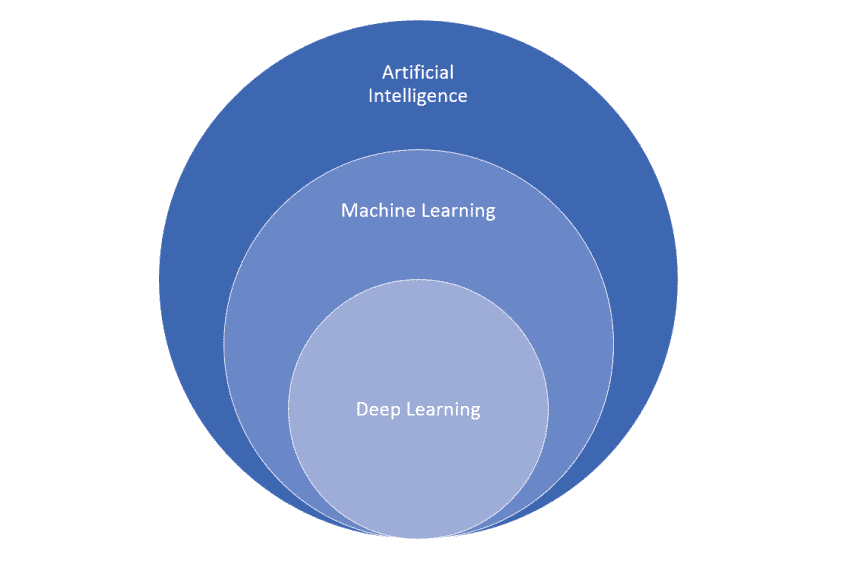
Let’s resolve the biggest confusion between all comprehensive technical terms like artificial intelligence, machine learning and deep learning. Artificial intelligence is a broader space under which Machine Learning and Deep Learning are subsets of it. Let’s understand briefly about each of them to get a better picture. The concept of artificial intelligence came into existence in 1956. But data at that time was not sufficient to calculate accurate results. Artificial Intelligence Artificial Intelligence is a technique by which machines demonstrates intelligence or behavior like humans. In AI, machine can learn from experience, like new born kids do. So from new input data, machine can adjust new responses. We can consider artificial intelligence as a project of creating Huge Monument which can take centuries to build. So the one who started building it, could not even see it fully built. AI researchers started working on bricks and bases of the project by creating learning algorithms so that future researchers will use it to build smart intelligence system. Example of Artificial Intelligence: Apple Siri, Microsoft Cortana, Tesla Self Driving Cars and many more. Machine Learning In Artificial intelligence, it was difficult to train complex decision making operation models of the Human brain. “Machine Learning is an application Artificial intelligence which enables machine to learn from statistical data to improve with experience.” The designed algorithms in Machine Learning are developed in such a way, that it can learn and improve the results when new data is provided. Example of Machine Learning: Netflix, Google Maps Elaborate Examples: Netflix – Depending upon what type of movies and series you watch, Netflix will suggest you same type of movies and series to you in Recommended section. Google Maps – Google map analyses the traffic and suggests you the fastest routes to your destination. Deep Learning Deep learning is a part of a broader family of Machine Learning that is inspired by the functionality of our brain cells called artificial neural network. It takes data connection between all the artificial neurons and adjust it according to the data parent. With the increase in the size of data parent ,more neurons is added . You can relate Deep Learning as rocket a rocket engine which uses huge amount of data a fuel to process the algorithms. Deep Learning concept is not new but recently it’s hype has increased and getting a lot of attention. How Deep Learning Works at simple scale: In above example, machine will validate all the criteria to check if the rectangle is a square. When it is nothing but nested hierarchy of conditions and checks. Deep learning does the same thing but a larger scale Above blog gives the brief difference of difference between different types of AI. Developing an application requires in depth knowledge and understanding of AI. If you want any assistant with AI application development you can always contact us. Techaroha Team is specialized in Block Chain and AI Application. Techaroha is One of the Best Software company to build application with a mix of Block Chain and AI.